
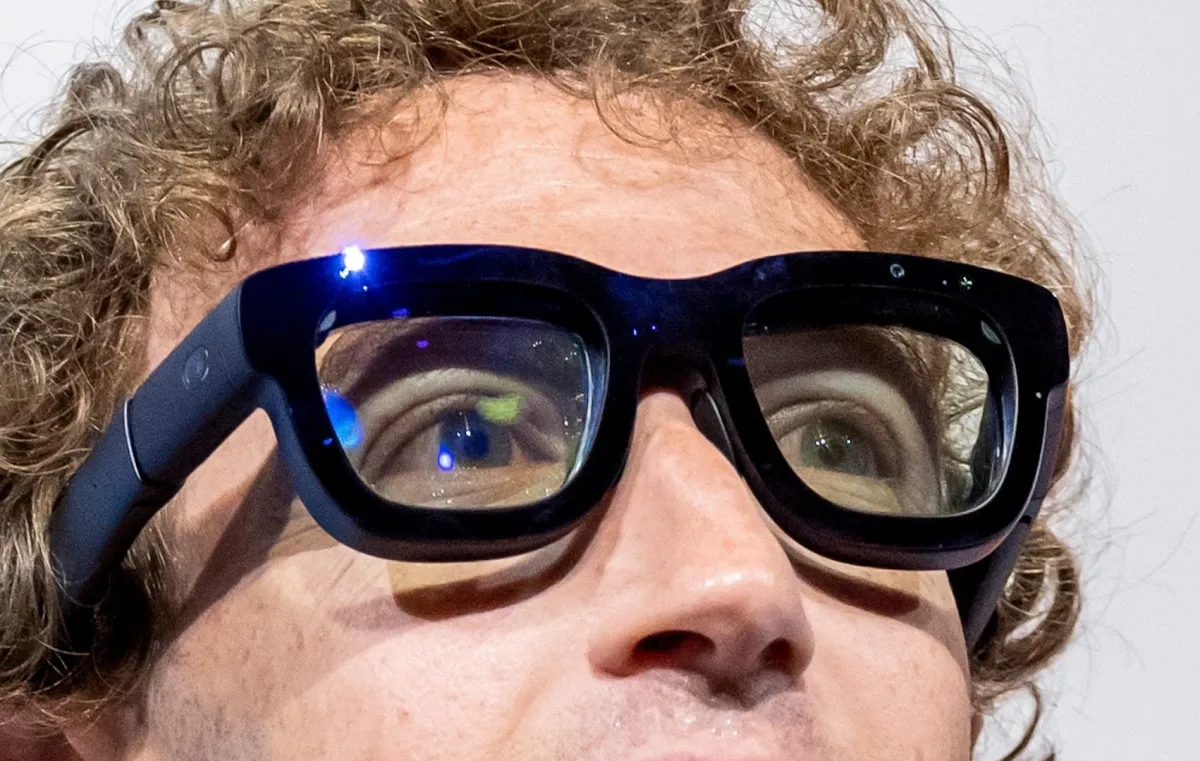
California Governor Gavin Newsom has vetoed a proposed law that would have introduced new restrictions on using smart glasses and other wearable devices to secretly record people in places where they have a reasonable expectation of privacy.
The legislation, Senate Bill 1130, was vetoed on September 30, 2026, after passing both chambers of the California Legislature. The bill was introduced by Democratic State Senator Eloise Gómez Reyes and was designed to address growing privacy concerns surrounding camera-equipped smart glasses and other wearable recording devices.
The Bill Targeted Secret Recording With Wearable Devices
SB 1130 would have prohibited people from using wearable recording devices to capture audio or video of another person inside areas of businesses where that individual had a reasonable expectation of privacy unless explicit consent had been obtained.
This could have applied to situations involving locations such as changing rooms, medical offices and other sensitive areas.
The legislation also sought to prevent users from disabling lights, sounds or other indicators designed to inform nearby people that a wearable device was actively recording.
The proposal reflected growing concern about devices that can record video while looking similar to ordinary glasses or other accessories.
Products such as Meta’s smart glasses have helped make wearable cameras increasingly mainstream, while newer AI-powered devices are adding microphones, cameras and continuous AI assistance to products that can be worn throughout the day.
Recording Indicators Were a Major Part of the Proposal
One of the most important elements of SB 1130 focused on making it easier for people to know when they were being recorded.
The bill would have prohibited users from intentionally disabling a wearable device’s recording indicator.
It also included restrictions targeting technology designed primarily to deactivate those indicators.
Under the final proposal, knowingly violating some of the rules involving technology designed to defeat recording indicators could have resulted in civil penalties of up to $2,500 per violation.
The broader goal was to make covert recording more difficult as wearable cameras become smaller and less noticeable.
Newsom Said the Definition Was Too Broad
Newsom said he supported efforts to address privacy concerns created by rapidly developing wearable technology but argued that SB 1130 was drafted too broadly.
In his veto explanation, the governor said the definition of a “wearable recording device” could potentially include products such as certain smartwatches and other commonly used devices capable of recording audio or video. He argued this could create confusion and unintended consequences.
Newsom also pointed to existing California laws that already prohibit certain unauthorized recordings in locations where people have a reasonable expectation of privacy and restrict recording confidential communications without consent.
His objection therefore focused largely on the scope and wording of the legislation rather than rejecting the underlying privacy concerns surrounding wearable cameras.
Privacy Concerns Are Growing Alongside Smart Glasses
Smart glasses have evolved considerably in recent years.
Modern devices can include cameras, microphones, speakers and artificial intelligence systems while maintaining a design that closely resembles traditional eyewear.
That creates a challenge that is different from traditional smartphones or handheld cameras.
A person holding a smartphone in front of another person is often visibly taking a photograph or recording a video. With smart glasses, it can be much harder for someone nearby to determine whether the camera is active.
Some devices include LED indicators designed to show when recording is taking place, but privacy advocates have raised concerns about whether those indicators are noticeable enough and whether users could attempt to disable or conceal them.
SB 1130 attempted to address exactly that issue.
Tech Industry Groups Raised Concerns About the Bill
Technology industry groups also opposed aspects of the proposal.
The Computer & Communications Industry Association argued during the legislative process that the bill’s definition of wearable recording devices was too broad and could potentially affect products beyond smart glasses.
The organization also raised concerns about legal uncertainty for manufacturers, retailers and other businesses that might have limited control over how customers ultimately use recording-capable products.
Supporters of stronger regulation, meanwhile, argued that wearable cameras introduce new privacy risks because people may not realize they are being recorded.
The debate reflects a broader challenge facing regulators: developing privacy protections that address new technology without unintentionally covering a much wider range of ordinary consumer electronics.
Meta’s Smart Glasses Highlight the Privacy Debate
Meta’s smart glasses are among the most visible examples of this new generation of wearable technology.
The glasses allow users to capture photos and videos from a first-person perspective while also offering features such as audio playback, calls and AI assistance.
According to reporting by the Associated Press, more than 7 million Meta smart glasses were sold in 2025, highlighting how quickly the technology has moved from a relatively niche category toward mainstream consumer adoption.
As adoption increases, lawmakers may face greater pressure to clarify where and when wearable cameras can legally be used.
The issue could become even more important as manufacturers integrate more advanced artificial intelligence into these devices.
California Already Has Extensive Recording Laws
California already has significant legal protections governing recordings.
The state generally requires consent from all parties before recording confidential communications, while existing privacy laws also address certain forms of unauthorized recording in private environments.
SB 1130 would have added rules specifically addressing wearable recording devices rather than relying entirely on laws originally written before modern smart glasses became widely available.
Newsom’s veto means those proposed wearable-specific provisions will not take effect in their current form.
The Smart Glasses Privacy Debate Is Far From Over
The veto of SB 1130 does not necessarily mark the end of California’s efforts to regulate wearable cameras.
In his veto reasoning, Newsom acknowledged that wearable technology is rapidly advancing and that reports involving potentially invasive uses of the technology warrant a legislative response. His concerns centered on crafting rules with greater precision.
That leaves lawmakers with the possibility of introducing a narrower proposal in the future.
As smart glasses become more capable and increasingly incorporate cameras, microphones and always-available AI assistants, the distinction between ordinary accessories and sophisticated recording devices is becoming less obvious.
For technology companies, regulators and consumers, the challenge will be finding a balance between the convenience offered by wearable AI devices and the privacy of people who may appear in their cameras and microphones without realizing it.
For now, California’s SB 1130 will not become law, but the questions it raised about consent, recording indicators and wearable cameras are likely to remain part of the broader debate surrounding the next generation of smart glasses.